
Boardwalk Design System
Building a Scalable Design Foundation
My Role: UX/UI Designer | Company: Park Place Technologies | Year: 2024-Present
Overview
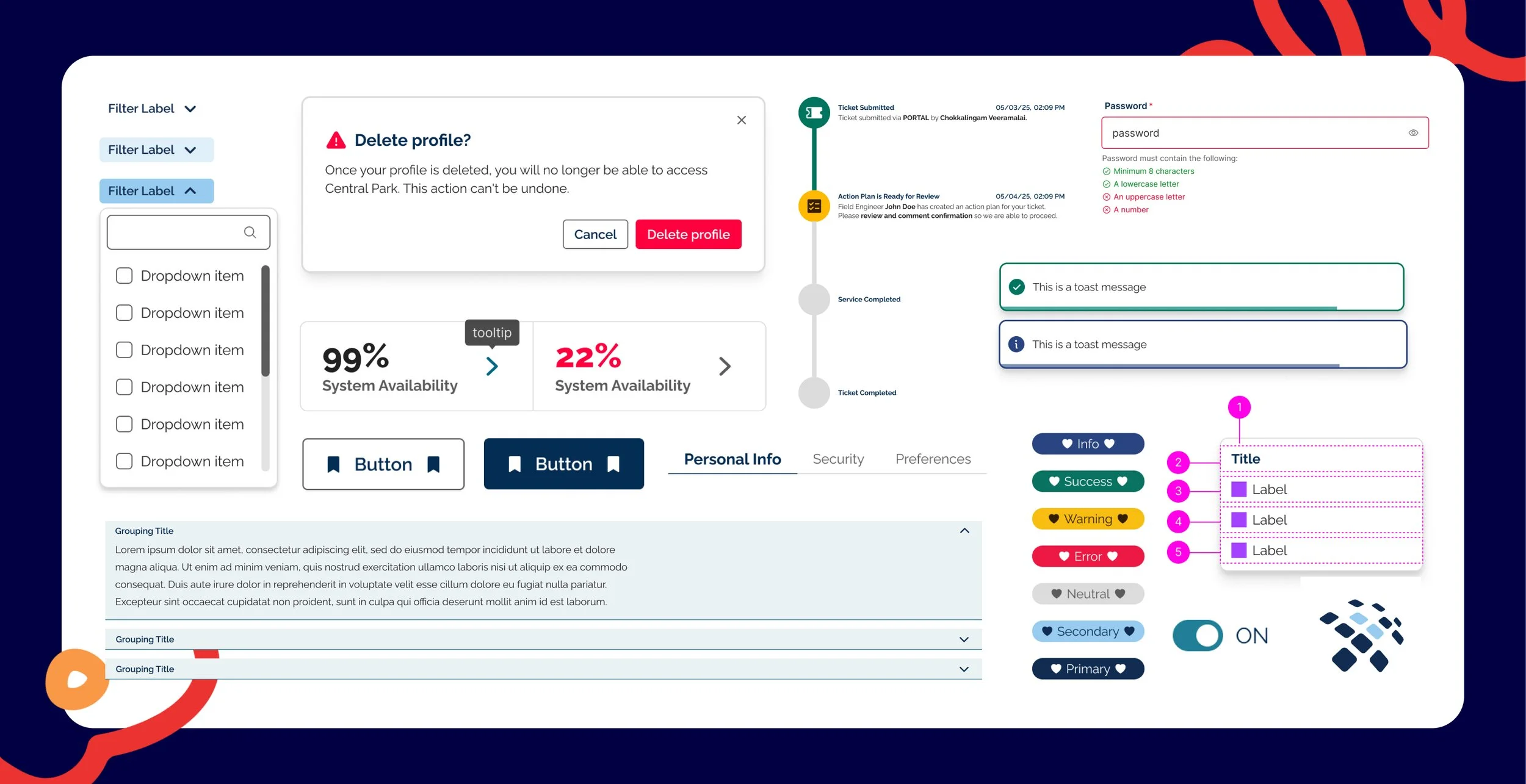
Park Place Technologies needed a scalable design system to modernize their applications, starting with their ticketing platform Central Park, and improve consistency across products. I partnered closely with leadership and engineering to help build Boardwalk, the company’s first centralized design system.
My focus was shaping component architecture, improving UX and developer alignment, and creating scalable standards teams could actually adopt.
Project Impact
90%
Adoption rate
across the Central Park platform
30%
More efficient
design to development implementation
My Design Contribution
Contributed to the creation of Park Place Technologies’ first centralized design system, Boardwalk, by helping define reusable UI patterns, scalable foundations, and stronger collaboration workflows between UX and engineering.
Built reusable enterprise components for Central Park and future platform adoption, including patterns for tables, navigation, buttons, forms, dropdowns, and modals.
Helped establish foundational system standards by contributing semantic color tokens, typography hierarchy, spacing rules, and accessibility guidelines to create a more cohesive and scalable product experience.
Partnered closely with engineering through implementation reviews, edge-case discussions, and documentation to ensure components were practical, scalable, and aligned with development needs.
Improved design-to-development workflows by helping create shared processes, documentation, and collaboration standards that increased consistency and efficiency across teams.
The Problem
As Park Place Technologies continued to expand its digital products, many applications had evolved independently without shared design standards or reusable UI patterns. While the initial focus was modernizing Central Park, the broader opportunity was to establish a more consistent and scalable foundation for future product development.
Over time, these disconnected experiences created inconsistencies for users and inefficiencies for internal teams.
Key Problems
Products lacked visual consistency. A UX audit uncovered inconsistent UI patterns across applications, including differing button styles, spacing systems, and interaction behaviors.
Teams worked in silos. Without a centralized component library or shared standards, developers often created custom solutions independently, resulting in duplicated effort and fragmented experiences.
Accessibility was inconsistent. Contrast ratios, focus states, spacing, and interaction patterns varied significantly between products and workflows.
Development efficiency suffered. Because reusable components and shared guidelines did not yet exist, teams frequently rebuilt the same UI patterns, increasing technical debt and slowing implementation.
The UX practice was still evolving. Park Place was in the early stages of establishing a more mature design culture and needed scalable systems and processes that could grow alongside the organization.
Users: Internal product teams, developers, designers, and enterprise customers using Park Place support platforms.
The challenge: Create a scalable design system that improves consistency, accelerates development, supports accessibility, and establishes a stronger design culture across teams.
Research & Discovery
The project began with a review of Central Park, Park Place’s support ticketing platform, to identify common usability and implementation issues.
Heuristic Analysis: I analyzed recurring interface patterns across pages and documented inconsistencies in layout, accessibility, spacing, navigation, and component behavior.
Similar components behaved differently across pages
Accessibility standards were not consistently applied
Teams lacked reusable patterns and documentation
Existing UI patterns were difficult to scale and maintain
Developer Collaboration: I worked directly with developers to better understand workflow pain points, technical constraints, and implementation challenges.
Key Insights:
Teams wanted more reusable foundations
Developers needed flexibility for edge cases
Stronger documentation would improve implementation consistency
Shared UX standards could reduce duplicated effort
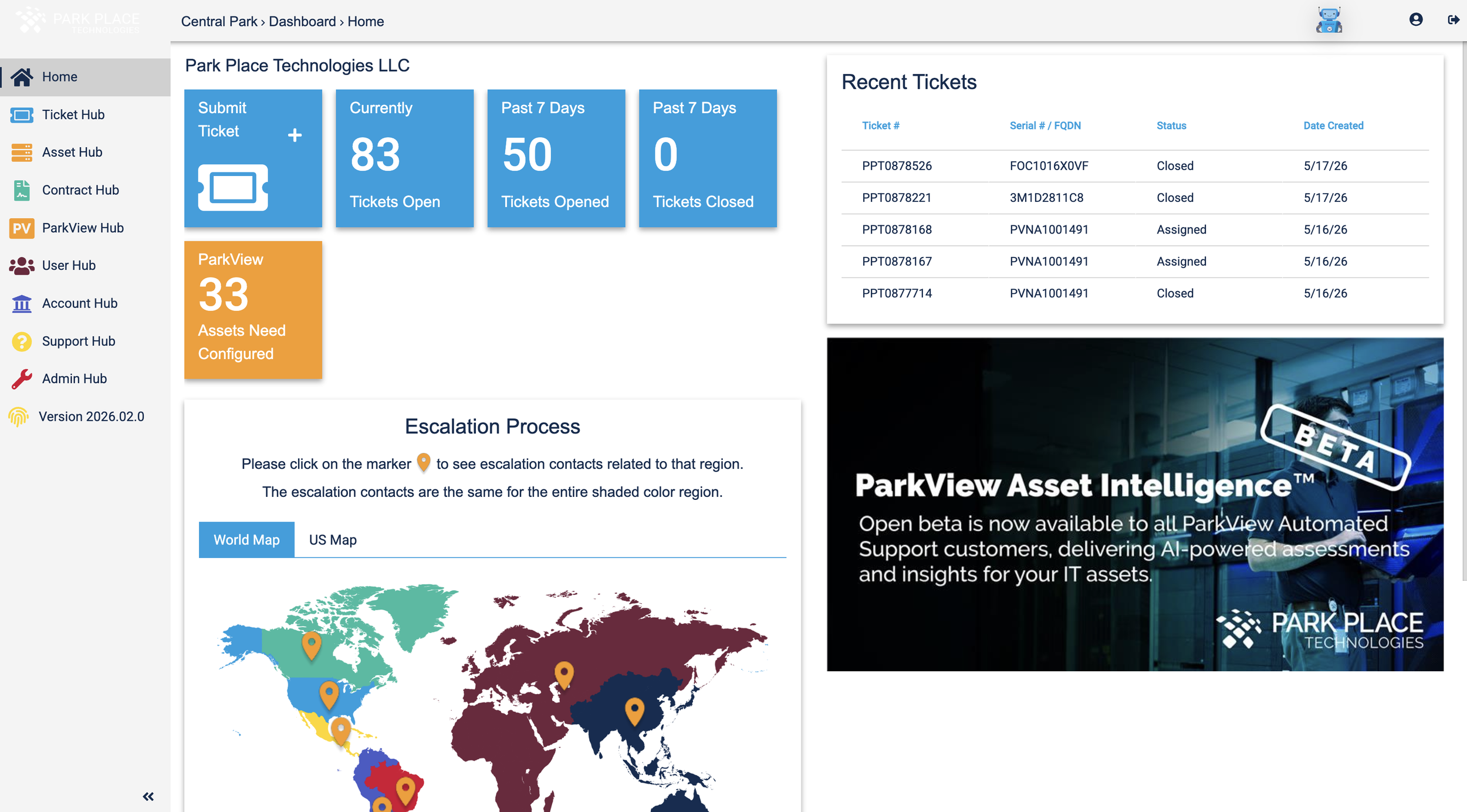
Homepage using legacy components and layouts
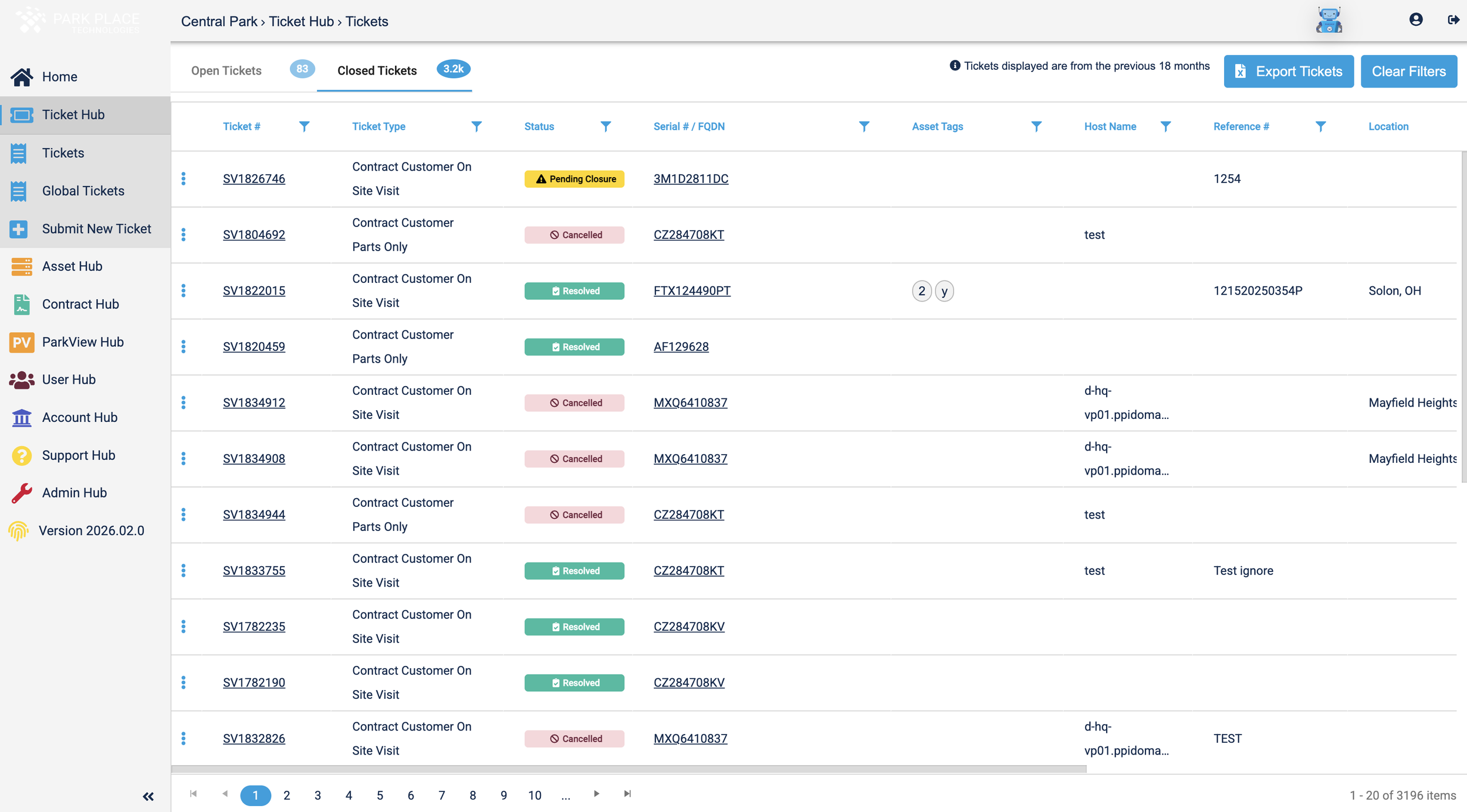
Ticket hub using legacy components and layouts
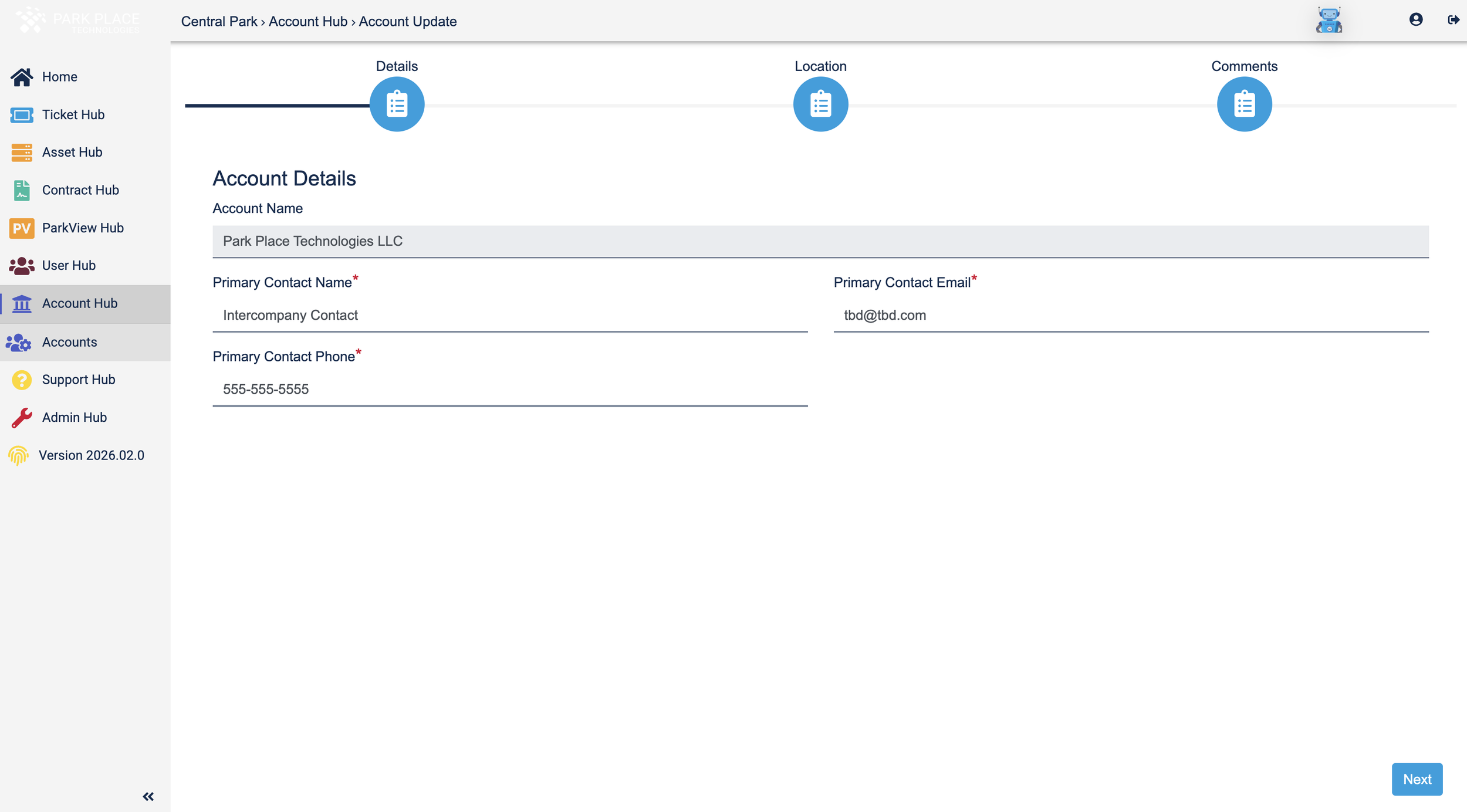
Wizard + form example using legacy components and layouts
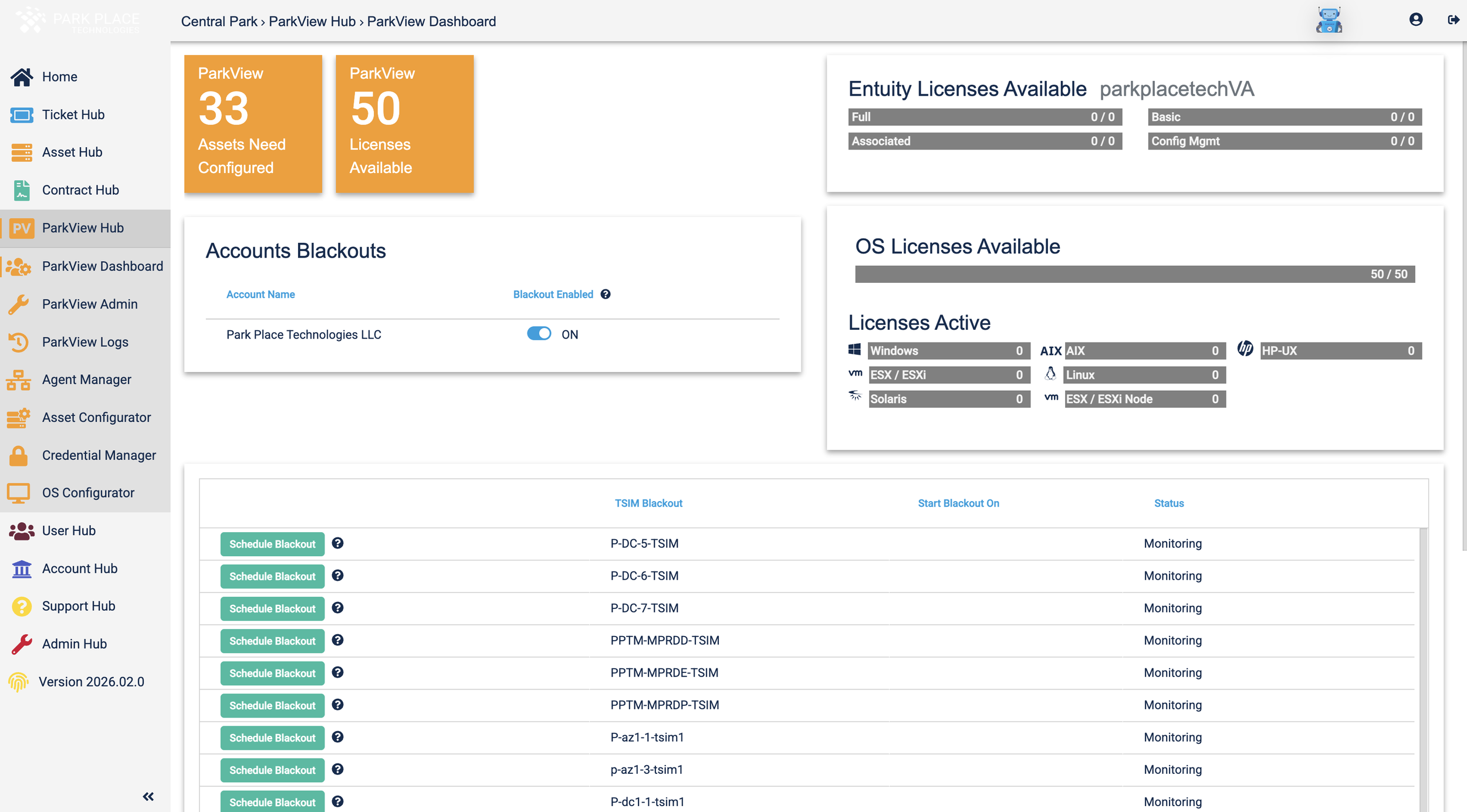
Service landing page using legacy components and layouts
Design Process
The goal was to create a scalable design system flexible enough to support complex enterprise workflows while improving consistency and usability across products over time.
Early efforts focused on establishing the foundational building blocks needed to support both current and future adoption, including:
Color tokens (light/dark modes)
Typography hierarchy
Spacing system
Accessibility standards
Shared interaction patterns
The Solution
Boardwalk created a shared UX foundation that improved consistency, scalability, and collaboration across Park Place enterprise applications.
Reusable component library. Established scalable UI patterns teams could use across products instead of rebuilding components from scratch.
Shared standards. Introduced consistent spacing, typography, accessibility, and interaction behaviors across applications.
Better collaboration. Improved UX and engineering alignment through recurring reviews, documentation, and implementation-focused workflows.
Scalable adoption. Designed the system to support gradual adoption without requiring teams to completely rebuild existing products.
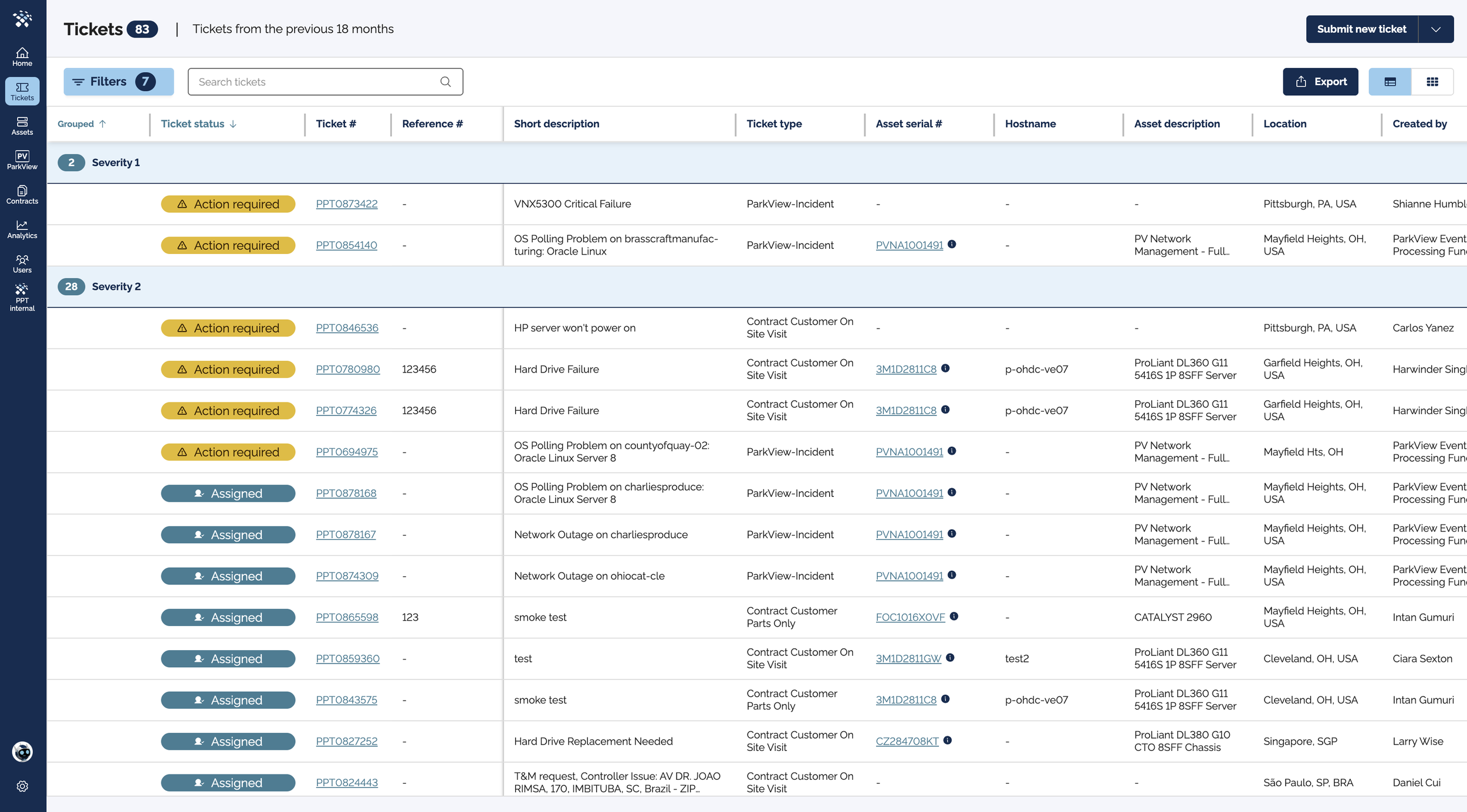
Tickets landing page using Boardwalk components and layouts
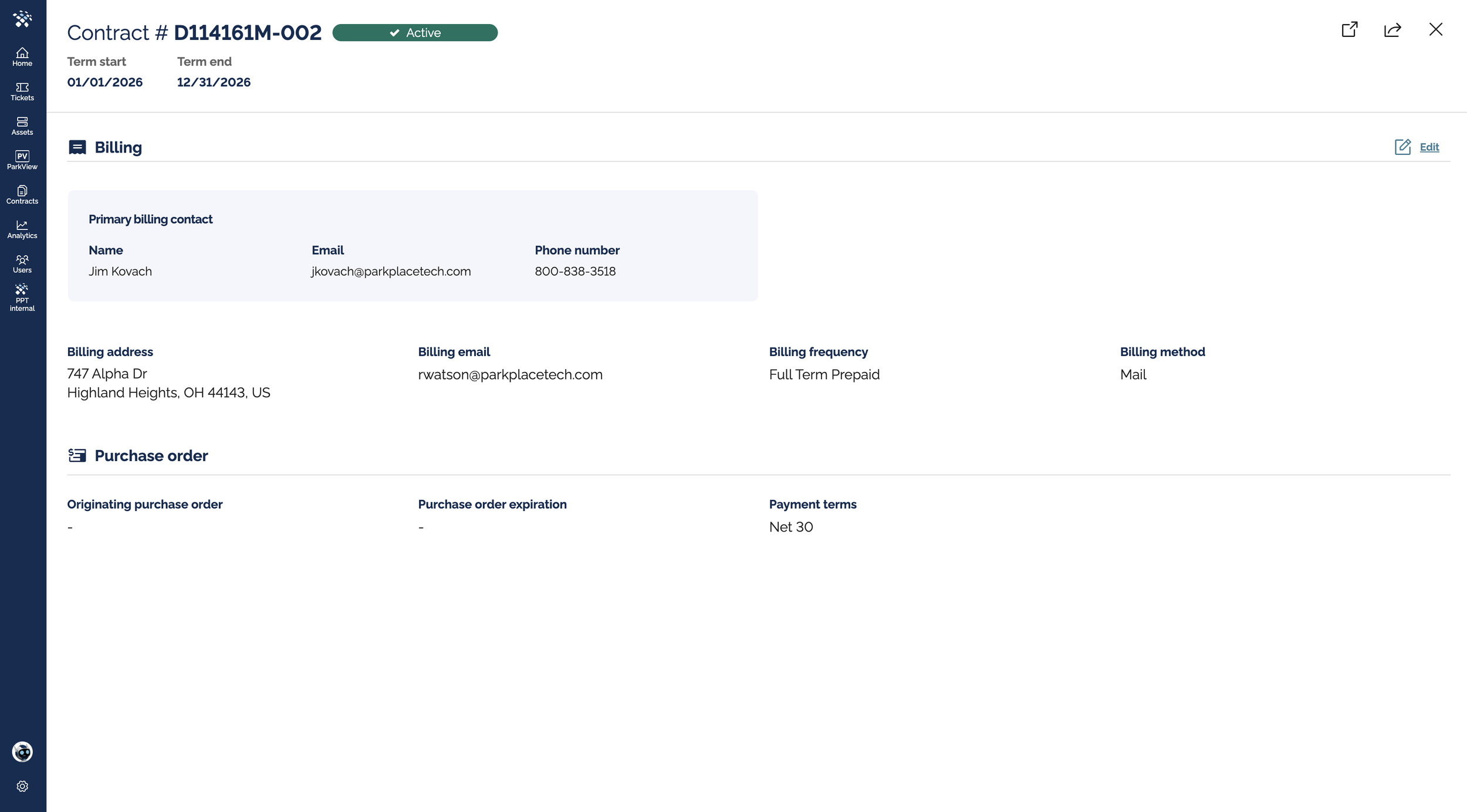
Detail page template example using Boardwalk components and layouts
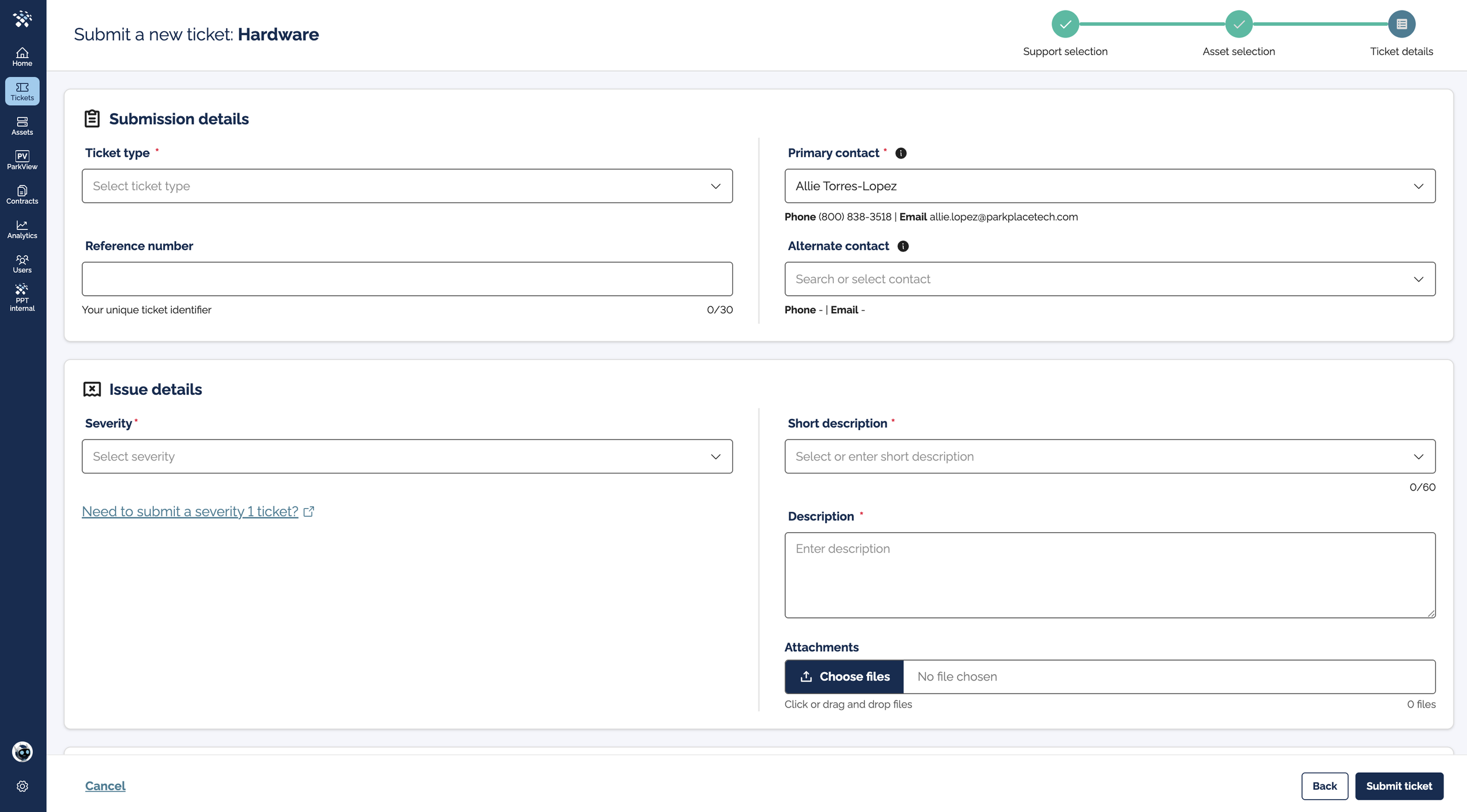
Ticket submission flow using Boardwalk components and layouts
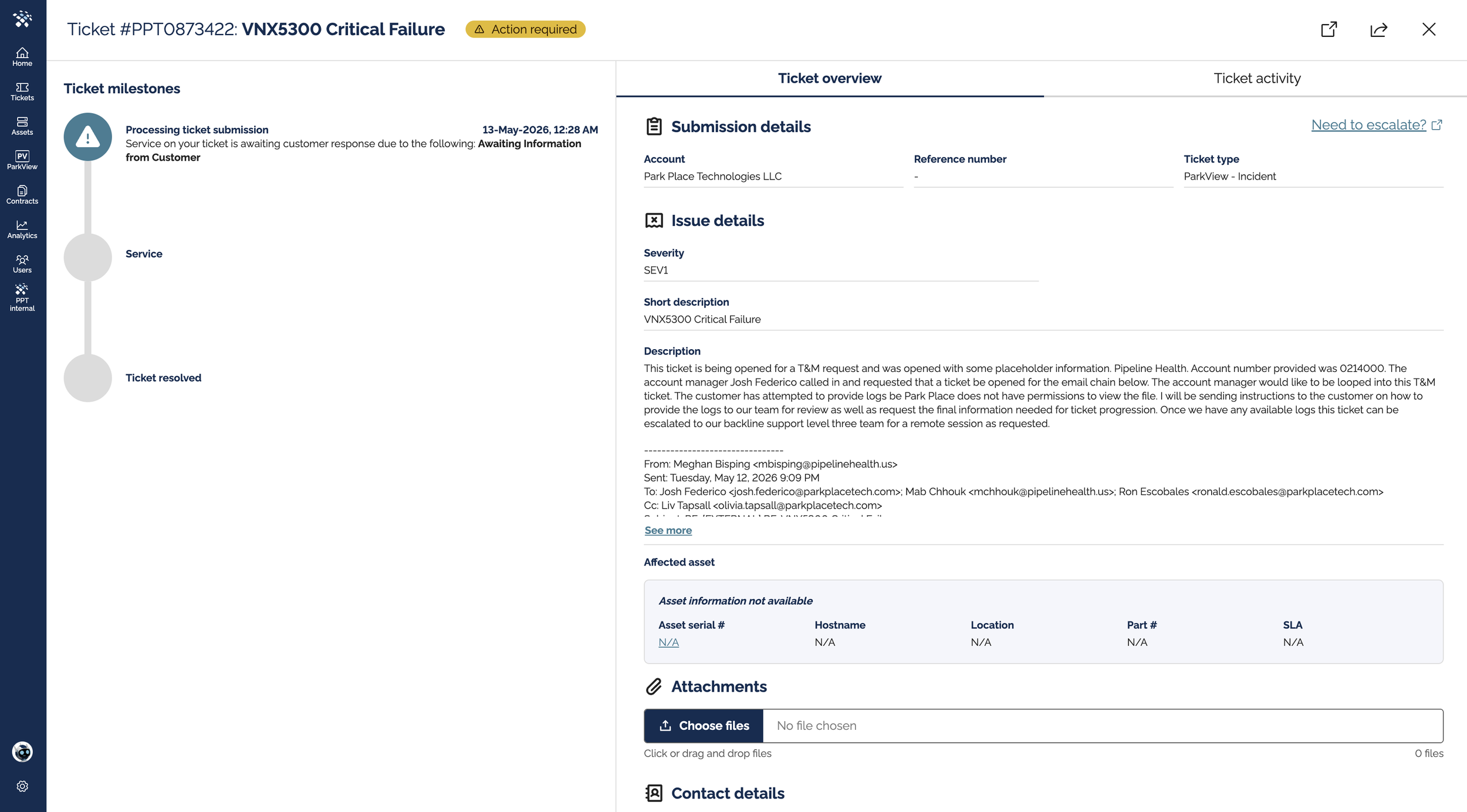
Ticket detail page using Boardwalk components and layouts
Results & Impact
Boardwalk helped modernize the product ecosystem while improving consistency and development efficiency across teams.
Impact:
90% adoption across the Central Park platform
Improved design-to-development efficiency by 30%
Increased accessibility and UI consistency across pages
Helped establish a stronger design-conscious culture within the organization
The system also supported larger modernization efforts as products transitioned into newer frameworks and workflows.
Reflection
This project reinforced that design systems are not just UI libraries. They are operational systems that improve collaboration, scalability, and product quality across organizations.
One of the biggest lessons was learning how important developer partnership is to long-term adoption. By involving engineering throughout the process instead of designing in isolation, we created a system teams actually wanted to use.
Key Lesson:
A successful design system is not about enforcing rigid consistency. It’s about creating flexible standards that help teams move faster while still delivering cohesive user experiences.